Somebody has to go in.
Difficult jobs. Dealt with properly.
When a silo, tank or vessel needs attention and your own team can't go in, we can. We plan the rescue first, get the job done and leave you the paperwork your auditor needs.
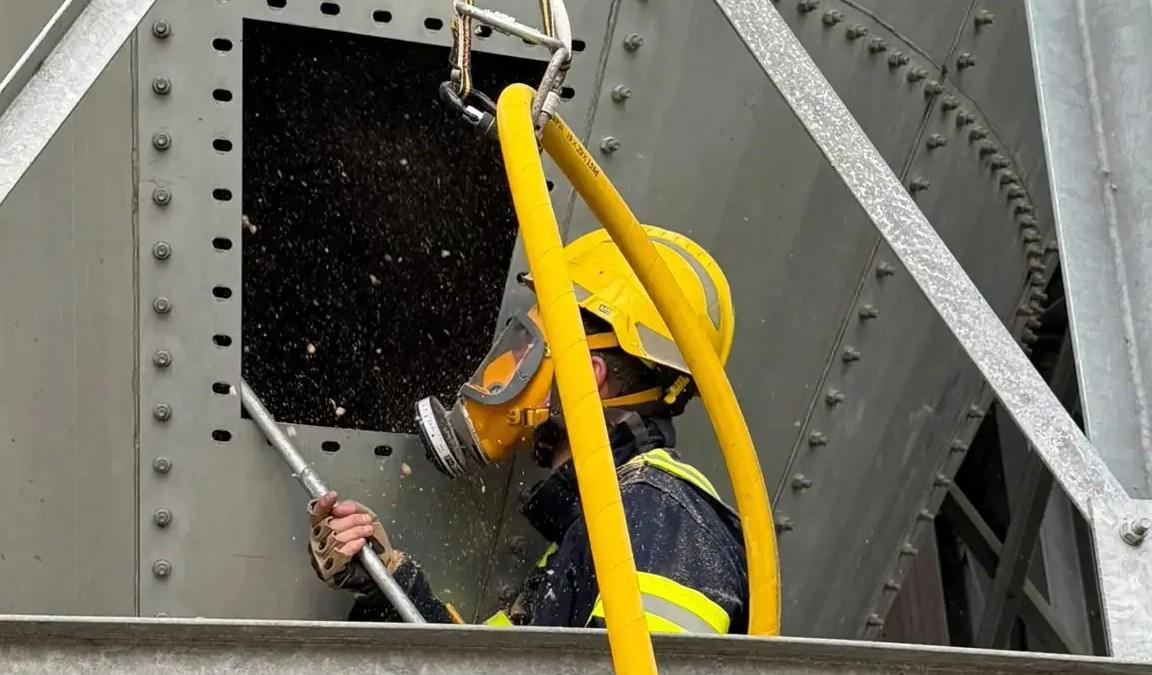
Why people call us
Nobody plans to need us. But when silos block, hygiene audits come around, shutdowns need rescue cover, anchor points need certifying, or a job is simply too high, tight or risky for your own team, we're there to get it done safely and efficiently.
Reactive
Something has gone wrong
A silo has blocked or bridged and production has stopped. You need it sorted quickly.
Planned
Stop it going wrong
Scheduled cleaning, inspections and rescue cover for shutdowns, so you stay in control.
Specialist
It's beyond your team
The job needs skills, equipment or rescue cover your own people don't have.
What we do
One team for access, cleaning and rescue cover. The people doing the work are trained to get you out if anything goes wrong. Crew size depends on the job, and rescue cover is always a crew of three.
Silo and bin cleaning
We clear bridged and caked product and fully clean out silos, bins and hoppers, leaving them ready to use.
Sanitising and hygiene
Food grade cleans and sanitising treatments, with a hygiene certificate issued when we finish.
Confined space entry
We inspect, clean and repair inside silos, tanks and vessels, with an attendant and rescue team in place on every job.
Standby rescue cover
A trained rescue team of three on site while your own people work in confined spaces or at height.
Rope access
Maintenance, repairs, cleaning and painting at height without scaffolding, so there's less disruption and it's usually quicker and cheaper.
Anchor points and fall arrest
Certified anchor points and Metreel fall arrest systems, with certification you can keep on file.
Under Regulation 5 of the Confined Spaces Regulations 1997, nobody can enter a confined space until suitable rescue arrangements are in place. A plan that relies on calling 999 is unlikely to meet that.
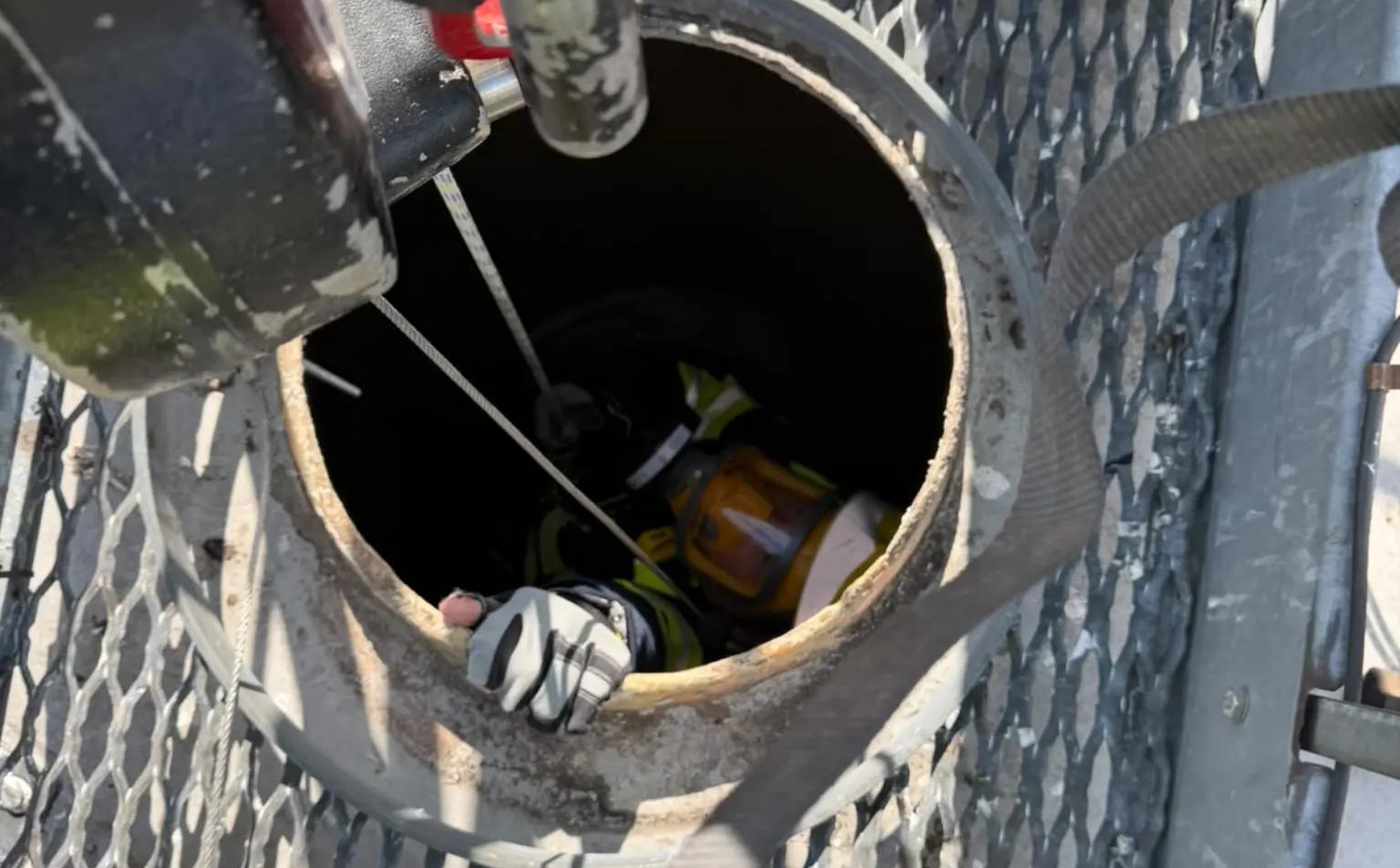
How we work
We plan the way out before we go in. No drama, and no surprise invoices.
Rescue first
The rescue plan is agreed before anyone goes in.
Clear paperwork
Method statements, risk assessments and records your auditors can actually read.
In house safety
Our own NEBOSH qualified health and safety officer, on the team.
One team
Access, cleaning and rescue from one crew, so you only deal with us.
Get in touch
Tell us what the problem is and when you need it sorted.
We take a look
A site visit or photos, and a word with anyone who needs to sign off.
Fixed price
A day rate agreed upfront, with RAMS and a rescue plan before work starts.
We do the work
Done properly, with the site handed back tidy.
Paperwork
Certificates and records for your files, and a date for the next visit.
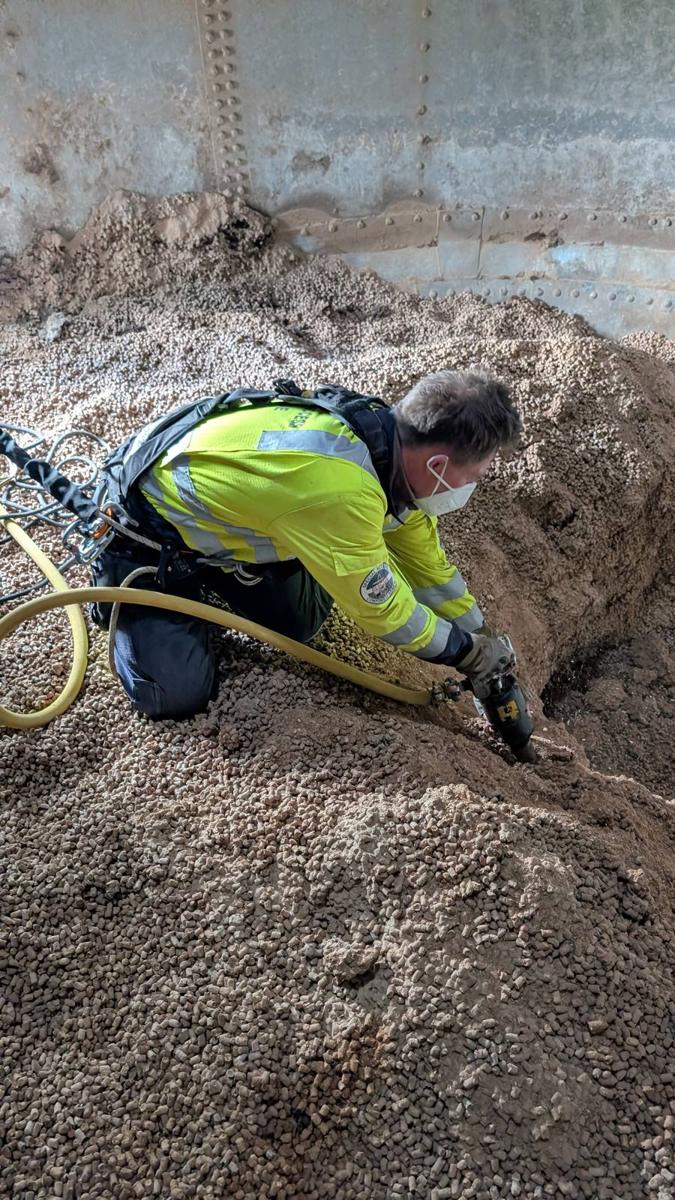
A bridged silo at a Norfolk mill
A silo had bridged and stopped emptying. Our team went in with an air lance, air pick and compressor, cleared the bridging and moved around 30 tonnes of product, with the rescue plan in place throughout.
The site has dozens more silos and bins, so we've proposed a planned cleaning programme to stop the next blockage before it happens.
Cleaning contracts
Most blockages are cheaper to prevent than to clear. A cleaning contract keeps your silos and bins clean on a regular basis, with the work agreed in advance to fit your site and production.
- Yearly or twice yearly contracts, planned around your production
- A hygiene certificate after every clean, showing when the next one is due
- A reminder call from us, so you don't have to keep track
- A monthly payment option to spread the cost of the contract
Who we work with
Industrial sites with silos, tanks and difficult access. We're based in Norfolk and work mainly across East Anglia, but we're happy to travel.
Most of our work
- Grain storage, milling and animal feed
- Food processing
We also work in
- Agriculture
- Anaerobic digestion
- Water and utilities
- Renewable energy
- Ports and marine
- Construction
- Heritage and estates
- Events and venues
- Rail, with RISQS approved partners
Not on the list? Ask anyway. If it isn't a job for us, we'll say so.
Work within Norfolk and Suffolk includes travel. For jobs further afield, we charge mileage, and if the job is more than 2.5 hours away and lasts more than a day, we include accommodation in the quote.
Who turns up
QRF may be new, but we're not. Between us we have a world of experience and a military background, where kit checks, briefings and knowing the way out come as standard. You deal directly with the people doing the work.
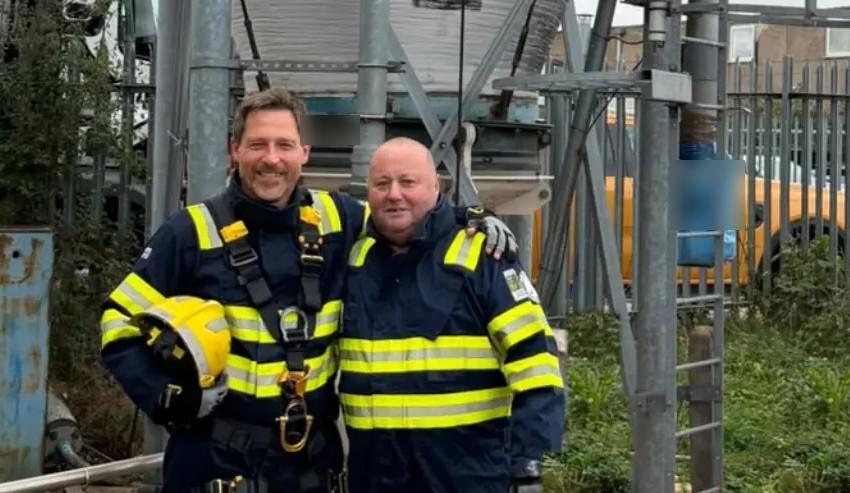
Andy Hill
Co-founder
Military background, with experience in confined space and rope access work. Qualified to Level 3 in confined space rescue and FREC 3 first aid.
Chris Tracey
Co-founder
Military background, with years of hands on industry experience, including rope access and installing ladder fall arrest systems such as Invisirung, wired and hooped. Qualified to Level 3 in confined space rescue and FREC 3 first aid.
Knowledge
Practical advice on silos, confined spaces and working at height, from the people who go in.
Coming up
- Silo hygiene and your audit
- Planning a shutdown
- Anchor points: certified, not improvised
- Rope access vs scaffold
- What H&S should check
- AD tanks and digesters
- Reactive vs preventative
- Lessons from real jobs
Common questions
The things people usually ask before they get in touch. If yours isn't here, just ask.
Ask a questionCan't our own maintenance team do it?
Sometimes, yes. But going into a silo or tank is confined space work. By law, everyone going in needs the right training, and under Regulation 5 of the Confined Spaces Regulations 1997 suitable rescue arrangements must be in place before anyone enters. If your team doesn't have that, we can do the job, or provide rescue cover so your own people can.
How quickly can you get to us?
We're based in Norfolk, so across East Anglia we're close enough to respond quickly. Tell us what's happened and what it's stopping, and we'll tell you honestly when we can be there.
How much does it cost?
We quote a fixed day rate, agreed before we start, so there are no surprise invoices. The team size and price depend on the job, including the number of silos, the product and the access. Work within Norfolk and Suffolk includes travel. For jobs further afield, we charge mileage, and if the job is more than 2.5 hours away and lasts more than a day, we include accommodation in the quote.
What do you need from us to give a quote?
Just tell us what the problem is and how it's affecting your site, when you need it done by, what type of space it is and how you get in, and where the site is. Photos help if it's safe to take them, and for bigger jobs we'll come and take a look.
Will we have to stop production?
The silo or vessel we're working in has to be out of use and isolated while we're inside. The rest of the site can usually keep running. We'll plan the work around your production with you.
Do you provide RAMS and a rescue plan?
Yes. You get RAMS and a written rescue plan before anyone goes in, ready for your health and safety team to check.
What qualifications do you have?
Both founders are qualified to Level 3 in confined space rescue. Every operative holds FREC 3 first aid, and we have our own NEBOSH qualified health and safety officer. Copies are available on request.
Can you provide rescue cover for our own team?
Yes. If your people are doing the work, we can be on site as a trained, equipped rescue team of three for as long as they're at height or in a confined space. For confined space work this isn't optional: Regulation 5 of the Confined Spaces Regulations 1997 requires suitable rescue arrangements before anyone goes in.
How often should a silo be cleaned?
It depends on the product, moisture and your hygiene requirements. Many sites clean once or twice a year. We'll recommend a schedule once we've seen the site, and call you before the next clean is due.
Do we get a certificate?
Yes. After a clean or sanitising treatment you get a hygiene certificate showing what was done and when the next clean is due. It's the paperwork your auditor will want to see.
Get in touch
Tell us what it is, where it is and roughly when. If it isn't a job for us, we'll say so.
To help us give you an accurate quote, it helps to know the answers to a few questions. The email button below sets them out for you.
- What's the problem, and how is it affecting your site?
- When do you need it done by?
- What type of space is it, what's inside, and how do you get in?
- Where is the site?
- Can you send any photos? Only if it's safe to take them.
- info@qrfrope.co.uk
- Based in
- Norfolk, working across East Anglia and beyond